How to Shape a Festival Day Around the Music
Plan a festival day around the music with a flexible route, a clear meeting point and room to pause, so you can enjoy more without rushing.
The most common festival-day mistake is treating the line-up as a timetable you must obey; the cost is spending the day crossing a crowded site instead of enjoying the performances you came for. A better festival plan starts with the acts you care about, then leaves space for food, discovery and rest.
Festival days rarely unfold neatly. A stage may be across the site, a queue may take longer than expected, or a conversation with friends may be better than rushing to the next set. Plan a few anchors, not every minute.
Choose your anchors
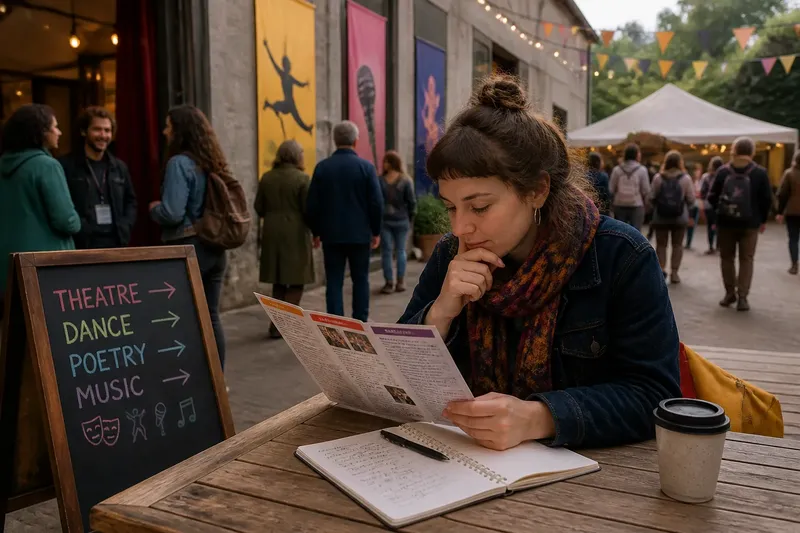
Start with the performances you would be genuinely disappointed to miss. Check the festival app or printed programme for stage locations and timings, then note any clashes. Choose a primary act when two favourites overlap; if the stages are nearby, you might catch part of each, but avoid assuming that a quick crossing will always be possible.
Keep the rest of the day open. A smaller stage, a food stall or an installation can become the pleasant surprise between your planned sets. Mark these as options rather than obligations.
Map the site
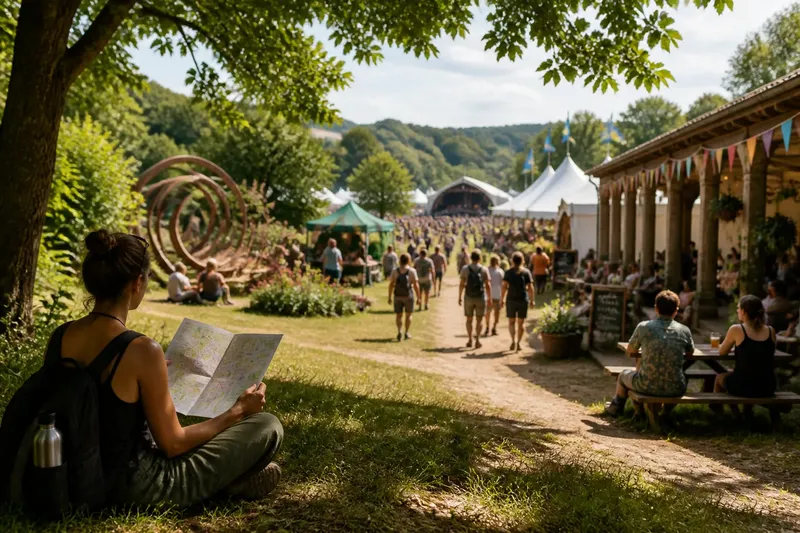
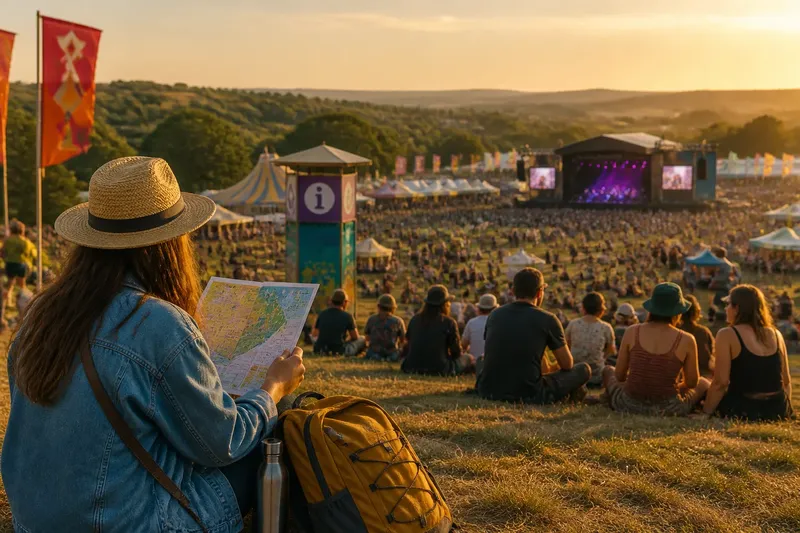
Use the official site map to locate stages, entrances, toilets, water points, food areas and accessible routes. Notice where paths narrow or where the terrain changes, and choose a meeting point that is easy to describe, such as a named information point. Do not rely on a temporary stall or an act’s stage as a rendezvous; both may be hard to find once the crowd shifts.
- If the route between two must-see acts looks long, then choose one performance as the priority; alternatively, stay for the first set and skip the second rather than rushing unsafely.
- If the map shows a suitable seating or quiet area, then save it as a pause option; alternatively, choose a less busy spot away from the main stage routes.
- If your group could lose mobile signal, then agree on a fixed meeting point and time; alternatively, nominate a staffed information point as the fallback.
- If the route has steps, uneven ground or a steep section, then check the festival’s access information; alternatively, contact the organiser for guidance suited to your needs.
- If food queues may interrupt a set you want to see, then eat during a longer gap; alternatively, pick up something afterwards and keep water accessible.
- If weather changes the ground or conditions, then check organiser updates and adjust your route; alternatively, leave the exposed area and choose a safer sheltered option.
Check the organiser’s current access and site information before travelling, especially if you need step-free routes, a viewing platform or a quiet space. For personal safety or access concerns, ask festival staff or a qualified professional where appropriate.
Build in breathing room
Leave a gap around your anchor performances for walking, queueing and getting settled. A realistic plan includes time to find the stage entrance and choose a place where you can see and hear comfortably. If you arrive early, that is useful breathing room, not wasted time.
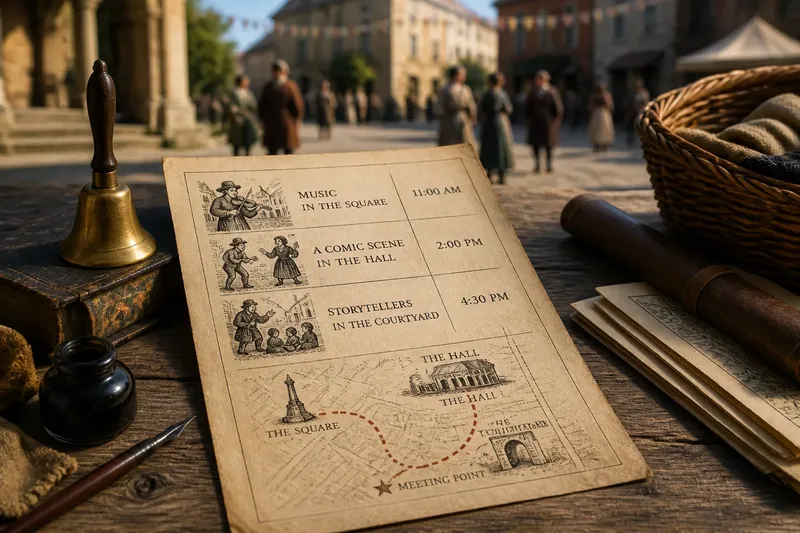
Say you have a hypothetical plan to see an afternoon singer at the north stage and a later band near the entrance. The map shows a long route between them, and your group expects a busy food queue in the gap. You mark the singer as the priority, choose a named information point near the entrance as the meeting spot, and decide beforehand that you will skip the later band if the route or queue runs over; the result is a clear choice rather than a last-minute dash.
Keep plans flexible
Agree how your group will handle changes before splitting up. Choose a meeting place and a fallback time, and make sure everyone knows the plan if phones lose signal. If one person wants to stay at a stage and another wants food, a clear rendezvous keeps both choices easy.
Keep your essentials accessible: admission details, a charged phone, water where permitted, weather-appropriate clothing and any personal medication you need. Follow the festival’s current rules about bags, refreshments and prohibited items; requirements vary by event.
How should you adapt?
What if two favourite acts clash?
Choose the act you most want to experience in full, using stage distance and the programme to inform the decision. If the stages are close and movement is practical, you can consider catching part of both, but do not plan on a hurried crossing.
How do you avoid missing a set?
Save the programme and map on your phone or keep a printed copy, and leave a travel buffer before the performance. If timings change, follow the organiser’s updates and choose the most important set rather than trying to recover every item on the schedule.
Where should friends meet if phones fail?
Pick a fixed, named location that is easy to identify from the official map, such as an information point. Agree on a fallback meeting time as well, and tell everyone before anyone separates.
What should you do if conditions change?
Check official festival notices and follow staff instructions about weather, access or site closures. Move away from unsafe conditions and contact event staff if you need help.
Leave on your terms
Decide what would make the day feel complete: hearing a favourite set, discovering a new performer or sharing a relaxed meal with friends. You do not need to stay until the last performance simply because it is on the programme. If you are leaving after dark, check the event’s transport arrangements and agree how your group will get home.
A festival day is easier to enjoy when the plan serves the experience rather than the other way round. Keep your must-see acts, meeting point and route clear, then let the gaps belong to whatever catches your attention. When you search for a festival day plan, look for a shape that gives you choices, not another timetable to chase.